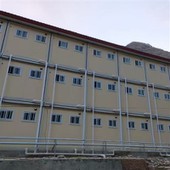
Basic Components and Functions of Steel Structure Workshops
A steel structure workshop is an industrial building with steel as the main load-bearing component, featuring advantages such as light self-weight, high strength, large span, and short construction period. Its basic components and their functions are as follows:
1. Foundation Embedded Parts
Function: Embedded parts are usually buried underground to fix steel beams and stabilize the main structure of the steel structure workshop. As the basic support part of the entire workshop, they ensure the stability of the upper structure.
2. Steel Columns and Steel Beams
Steel Columns: As the main vertical load-bearing components of the workshop, they are usually made of H-beams or C-beams. They bear the longitudinal load of the entire workshop and ensure the stability of the framework.
Steel Beams: Together with steel columns, they form a load-bearing system. Also typically made of H-beams or C-beams, they bear loads from the roof, cranes, etc., and transfer the loads to steel columns and the foundation.
3. Wall and Roof Systems
Walls: Usually enclosed by brick walls or composite panels, they bear lateral loads (such as wind loads) and form an integrated spatial structure with steel columns and steel beams, enhancing the rigidity and stability of the workshop.
Roof Systems: Consisting of roof trusses, purlins, and roof panels (e.g., color steel tiles or composite panels), they mainly bear longitudinal loads (such as snow loads and wind loads) while providing protection against wind and rain. Purlins transfer roof loads to beams and columns, and roof trusses ensure the overall stability of the roof.
4. Bracing Systems
Inter-column Bracings: Improve the lateral rigidity of the workshop and transfer longitudinal horizontal loads (such as seismic forces and crane braking forces).
Roof Bracings: Including horizontal bracings and vertical bracings, they enhance the overall rigidity of the roof and prevent component instability.
Wind-Resistant Columns: Mainly used to transfer wind loads, connect the roof to the walls, and enhance the overall wind resistance capacity.
5. Crane Beams
Function: Specifically designed for the operation of cranes in the workshop, they bear the vertical and horizontal loads of cranes and transfer the loads to columns and the foundation.
6. Other Auxiliary Components
Purlins: Usually C-beams or Z-beams, they transfer the loads of the roof or walls to beams and columns.
Gutters: Used for drainage, typically processed from steel plates.
Stay Bars and Tie Rods: Reduce the lateral deformation of purlins and improve overall stability.
All components of the steel structure workshop work together to form a spatial rigid framework, ensuring the safety, stability, and functionality of the building.