

Hey there! I'm a supplier of Modular Retail Buildings, and I often get asked, "Do modular retail buildings meet building codes?" Well, let's dive right into this topic and find out.
First off, what are modular retail buildings? They're pre - fabricated structures that are built in a factory and then transported to the final location for assembly. This method offers a bunch of advantages like faster construction times, better quality control, and often, cost savings. But the big question remains: do they comply with building codes?
Building codes are a set of regulations that ensure the safety, health, and general welfare of the people who will use a building. These codes cover everything from structural integrity to fire safety, accessibility, and energy efficiency. So, for modular retail buildings to be viable in the market, they absolutely have to meet these codes.
In most cases, modular retail buildings do meet building codes. The reason is that the manufacturing process in a factory is highly controlled. Builders have access to specialized equipment and trained workers who follow strict procedures. This means that the components of the modular building are fabricated with a high level of precision. For example, the walls, floors, and roofs are constructed to exact specifications, ensuring that they can withstand the loads and stresses they'll face once the building is assembled on - site.
Let's talk about structural integrity. Building codes require that a structure can support its own weight as well as any additional loads, like people, equipment, and inventory in a retail setting. Modular buildings are designed with this in mind. The steel frames or wooden structures used in their construction are engineered to meet or exceed the local building code requirements for strength. In fact, because the manufacturing process is so controlled, modular buildings can sometimes be even more structurally sound than traditional stick - built structures.
Fire safety is another crucial aspect of building codes. Retail buildings need to have proper fire - resistant materials and fire - suppression systems. Modular building manufacturers are well - aware of this. They use fire - rated materials for walls, ceilings, and floors. Additionally, they install fire sprinklers and smoke detectors in accordance with the local fire codes. For instance, in areas with strict fire safety regulations, modular retail buildings are equipped with state - of - the - art fire - suppression systems that can quickly detect and extinguish fires, protecting both the building and its occupants.
Accessibility is also a key part of building codes. Retail buildings must be accessible to people with disabilities. Modular buildings can be designed to meet these requirements easily. Ramps, wide doorways, and accessible restrooms can be incorporated into the modular design during the manufacturing process. This ensures that all customers, regardless of their physical abilities, can enter and move around the retail space comfortably.
Energy efficiency is becoming increasingly important in building codes. With the growing concern for the environment and the need to reduce energy costs, modular retail buildings are designed to be energy - efficient. They can be equipped with high - performance insulation, energy - efficient windows, and advanced HVAC systems. These features not only help the building meet the energy - efficiency requirements of the local building codes but also save the retailer money on energy bills in the long run.
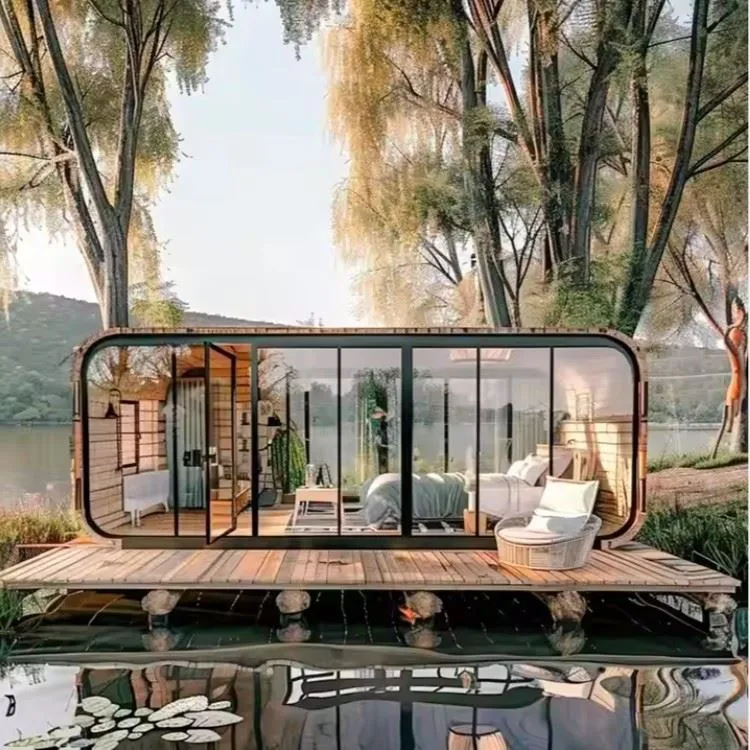
Now, I'd like to mention some of the great modular building options we offer. Check out our Apple Cabin Prefab. It's a unique and stylish modular building that can be used as a small retail space. It's designed to meet all the necessary building codes and offers a cozy and inviting atmosphere for customers.
Another option is our Large Family Modular Homes. Although the name suggests homes, these modular structures can be easily adapted for retail use. They have a spacious layout and can be customized to fit the specific needs of a retail business. And of course, they're built to comply with all relevant building codes.
We also have the Prefab Capsule Hotel. While it's mainly designed as a hotel, it can also be repurposed for certain types of retail operations. It's a modern and space - efficient modular building that meets all the safety and quality standards set by building codes.
One of the great things about modular retail buildings is that they can be inspected at different stages of the manufacturing process. Factory inspectors can check the components as they're being fabricated, and then on - site inspectors can ensure that the assembled building meets all the local codes. This double - layer of inspection ensures that the final product is up to par.
However, it's important to note that building codes can vary from one location to another. What's required in one city or state might be different from what's required in another. That's why it's essential to work with a modular building supplier who has experience in dealing with different building codes. As a supplier, we stay up - to - date with the latest code changes in various regions. We work closely with local authorities to ensure that our modular retail buildings are compliant with all the relevant regulations.
So, in conclusion, modular retail buildings generally meet building codes. The controlled manufacturing process, the use of high - quality materials, and the strict adherence to design and construction standards all contribute to their compliance. Whether it's structural integrity, fire safety, accessibility, or energy efficiency, modular buildings are designed to meet the requirements of modern building codes.

If you're considering a modular retail building for your business, don't hesitate to reach out. We're here to help you choose the right modular building option, ensure that it meets all the local building codes, and get it installed at your desired location. Whether you're a small - business owner looking for a unique retail space or a large corporation in need of a functional and compliant building, we've got you covered. Let's start the conversation and see how we can make your modular retail building project a success.
References
- International Building Code (IBC)
- National Fire Protection Association (NFPA) standards
- Local building code regulations from various regions