

What is the foundation requirement for Adu Modular Homes?
As a supplier of Adu Modular Homes, I've witnessed firsthand the growing popularity of these innovative living solutions. Adu Modular Homes offer a convenient, cost - effective, and sustainable way to add living space. However, one of the most critical aspects of installing an Adu Modular Home is the foundation. In this blog, I'll delve into the fundamental requirements for Adu Modular Home foundations.
Importance of a Proper Foundation
A well - constructed foundation is the backbone of any structure, and Adu Modular Homes are no exception. The foundation provides support for the entire home, ensuring its stability and longevity. It also helps to distribute the weight of the house evenly and protect it from various environmental factors such as soil movement, water damage, and extreme temperatures.
Without a proper foundation, an Adu Modular Home can experience a range of issues. For example, uneven settling of the foundation can lead to cracks in the walls, floors, and ceilings. This not only affects the aesthetic appeal of the home but can also cause structural problems over time. Water infiltration due to a faulty foundation can damage the interior of the house, leading to mold growth and other health hazards.
Types of Foundations for Adu Modular Homes
There are several types of foundations that can be used for Adu Modular Homes, each with its own set of advantages and disadvantages.
Slab - on - Grade Foundations
Slab - on - grade foundations are a popular choice for Adu Modular Homes. This type of foundation consists of a single, thick layer of concrete poured directly onto the ground. It is relatively simple and cost - effective to construct. Slab - on - grade foundations are suitable for areas with stable soil conditions and mild climates. They provide a solid base for the modular home and can be quickly installed.
However, slab - on - grade foundations have some limitations. They do not offer any crawl space or basement, which can limit storage options and make it more difficult to access plumbing and electrical systems. In areas with expansive soil, slab - on - grade foundations may be prone to cracking due to soil movement.
Crawl Space Foundations
Crawl space foundations involve building a raised platform on a series of piers or walls, leaving a small space (usually 1 - 3 feet) between the ground and the floor of the house. This type of foundation provides additional storage space and easier access to utilities. It also allows for better ventilation, which can help prevent moisture buildup and mold growth.
Crawl space foundations are more expensive and time - consuming to construct than slab - on - grade foundations. They require careful waterproofing and insulation to prevent water damage and heat loss. In addition, the crawl space needs to be regularly inspected to ensure its structural integrity.
Basement Foundations
Basement foundations are the most elaborate and costly option for Adu Modular Homes. A basement provides a significant amount of additional living or storage space. It can be finished to create a bedroom, a home office, or a recreational area. Basement foundations also offer better protection against extreme weather conditions.
However, building a basement foundation is a complex and time - intensive process. It involves extensive excavation, proper waterproofing, and the installation of a drainage system. The cost of constructing a basement foundation can be significantly higher than other types of foundations.
Soil Assessment
Before choosing a foundation type for an Adu Modular Home, it is essential to conduct a thorough soil assessment. The characteristics of the soil, such as its type, density, and moisture content, can have a significant impact on the choice and design of the foundation.
For example, if the soil is composed of expansive clay, it has the potential to shrink and swell with changes in moisture levels. This can cause the foundation to crack and shift. In such cases, a foundation design that can accommodate soil movement, such as a crawl space foundation with flexible piers, may be more appropriate.
On the other hand, if the soil is sandy and well - drained, a slab - on - grade foundation may be sufficient. A soil engineer can perform tests to determine the soil's properties and provide recommendations for the most suitable foundation type.
Building Codes and Regulations
Another crucial factor in the foundation requirements for Adu Modular Homes is compliance with local building codes and regulations. These codes are in place to ensure the safety and structural integrity of all buildings, including modular homes.
Building codes specify the minimum standards for foundation design, construction materials, and installation techniques. They may also require permits and inspections at various stages of the foundation construction process. As a supplier of Adu Modular Homes, I always emphasize to my customers the importance of working with a qualified contractor who is familiar with local building codes.
Failure to comply with building codes can result in costly fines, delays in construction, and even the need to modify or rebuild the foundation. Therefore, it is essential to obtain all necessary approvals and ensure that the foundation meets all regulatory requirements.
Drainage Considerations
Proper drainage is an essential aspect of foundation design for Adu Modular Homes. Water accumulation around the foundation can lead to soil erosion, water damage, and structural problems. To prevent these issues, a well - designed drainage system should be installed.
This may include surface drainage features, such as slopes and gutters, to direct water away from the foundation. Subsurface drainage systems, such as French drains, can also be used to collect and divert groundwater. In addition, proper grading of the land around the home can help ensure that water flows away from the foundation.

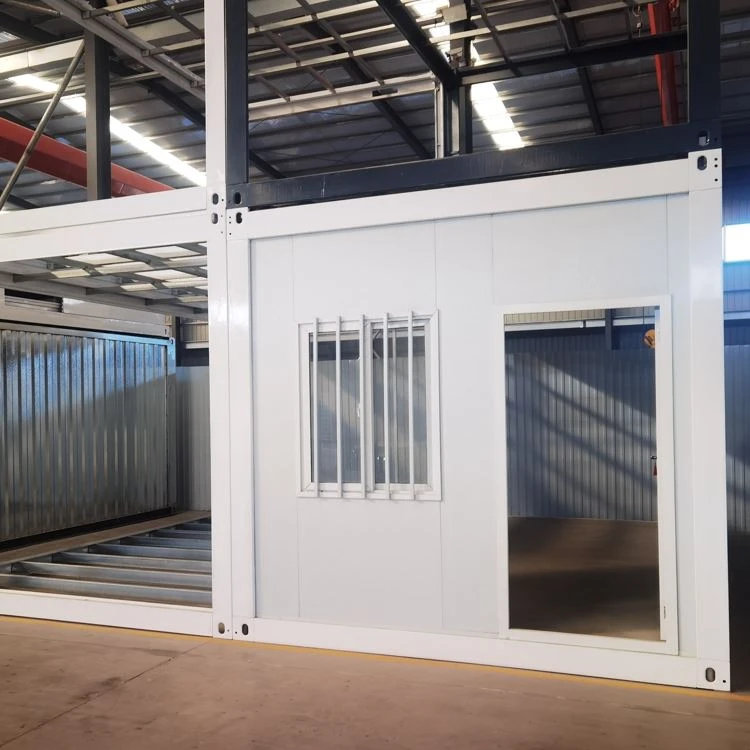
Additional Considerations for Modular Homes
Modular homes are pre - fabricated in a factory and then transported to the building site. This means that the foundation must be ready for the timely installation of the modular components. The dimensions and layout of the foundation must match the specifications of the Adu Modular Home.
It is also important to consider the connection between the modular home and the foundation. A secure and stable connection is necessary to ensure the overall stability of the structure. Specialized connectors and fastening systems are often used to attach the modular home to the foundation.
Conclusion
In conclusion, the foundation requirements for Adu Modular Homes are complex and multifaceted. From choosing the right type of foundation based on soil conditions and building codes to ensuring proper drainage and a secure connection between the home and the foundation, every aspect plays a crucial role in the success of the project.
As a supplier of Adu Modular Homes, I understand the importance of a solid foundation. That's why I'm committed to providing my customers with all the information and support they need to make informed decisions about their foundation options. If you're interested in purchasing an Adu Modular Home or have any questions about foundation requirements, I encourage you to reach out to me for a detailed discussion. We can explore other related products like Quick Assembly Container House and Indoor Modular Office that might meet your specific needs. Let's work together to create the perfect living or working space for you.
References
- Building Construction Handbook, various editions
- Local building codes and regulations
- Soil engineering textbooks and research papers