

As a supplier of prefab house projects, I've had the privilege of witnessing the growing demand for these innovative housing solutions. One of the key factors that potential buyers often inquire about is the sound insulation properties of prefab houses. In this blog post, I'll delve into the science behind sound insulation in prefab house projects, explore the materials and techniques used, and discuss how these properties compare to traditional housing.

Understanding Sound Insulation
Sound insulation, also known as soundproofing, is the process of reducing the transmission of sound from one area to another. In the context of prefab houses, it's crucial for creating a comfortable and peaceful living environment. Sound can travel through various mediums, including air, solid materials, and even through the structure of the building itself. Effective sound insulation aims to block or absorb these sound waves, minimizing noise pollution from the outside and preventing sound from escaping the interior.
There are two main types of sound insulation: airborne and impact. Airborne sound insulation deals with sounds that travel through the air, such as traffic noise, voices, and music. Impact sound insulation, on the other hand, addresses sounds caused by physical impact, like footsteps, furniture movement, and dropping objects. Both types are important considerations in prefab house design.
Materials Used for Sound Insulation in Prefab Houses
Prefab houses are designed with a variety of materials that contribute to their sound insulation properties. Here are some of the most common materials used:
- Insulation Batts: Fiberglass and mineral wool insulation batts are widely used in prefab houses. These materials are effective at absorbing airborne sound waves. They work by trapping air within their fibers, which helps to dampen the sound as it passes through. Insulation batts are typically installed in the walls, floors, and ceilings of prefab houses.
- Mass Loaded Vinyl (MLV): MLV is a dense, flexible material that is highly effective at blocking airborne sound. It is often used as a sound barrier in walls and floors. MLV works by adding mass to the structure, which helps to reduce the transmission of sound waves.
- Double Glazed Windows: Double glazed windows consist of two panes of glass separated by a layer of air or gas. This design helps to reduce the transmission of airborne sound through the windows. The air or gas layer acts as an insulator, preventing sound from easily passing through the glass.
- Soundproof Drywall: Soundproof drywall is specially designed to reduce the transmission of sound. It is typically thicker and denser than regular drywall and may contain additional layers or materials to improve its sound insulation properties. Soundproof drywall is often used in the walls and ceilings of prefab houses.
- Cork Flooring: Cork is a natural material that has excellent sound insulation properties. It is soft and porous, which helps to absorb impact sound. Cork flooring is often used in prefab houses to reduce noise from footsteps and other impact sources.
Techniques for Improving Sound Insulation in Prefab Houses
In addition to using sound insulation materials, there are several techniques that can be employed to improve the sound insulation properties of prefab houses:
- Sealing Gaps and Cracks: Even small gaps and cracks in the walls, floors, and ceilings can allow sound to leak through. Sealing these gaps with caulk or weatherstripping can significantly improve the sound insulation of the house.
- Using Isolation Mounts: Isolation mounts are used to separate the structure of the house from the ground or other surfaces. This helps to reduce the transmission of impact sound through the structure. Isolation mounts are often used in the floors and walls of prefab houses.
- Designing for Sound Separation: When designing a prefab house, it's important to consider the layout and placement of rooms to minimize the transmission of sound between them. For example, placing noisy rooms like the kitchen and laundry room away from bedrooms and living areas can help to reduce noise pollution.
- Adding Acoustic Panels: Acoustic panels are designed to absorb sound waves and reduce echo in a room. They can be installed on the walls or ceilings of prefab houses to improve the acoustics of the space.
Comparing Sound Insulation in Prefab Houses to Traditional Housing
Prefab houses often have better sound insulation properties than traditional housing. This is because prefab houses are typically built in a controlled factory environment, where the materials and construction techniques can be more precisely controlled. Additionally, prefab houses are designed with a focus on energy efficiency and comfort, which often includes sound insulation.
In traditional housing, the quality of sound insulation can vary depending on the construction methods and materials used. Older homes may have less effective sound insulation due to outdated building techniques and materials. However, it's important to note that the sound insulation properties of any house, whether prefab or traditional, can be improved through the use of sound insulation materials and techniques.
Our Prefab House Projects and Sound Insulation
At our company, we take sound insulation seriously in all of our prefab house projects. We use high-quality materials and advanced construction techniques to ensure that our houses provide a comfortable and peaceful living environment.
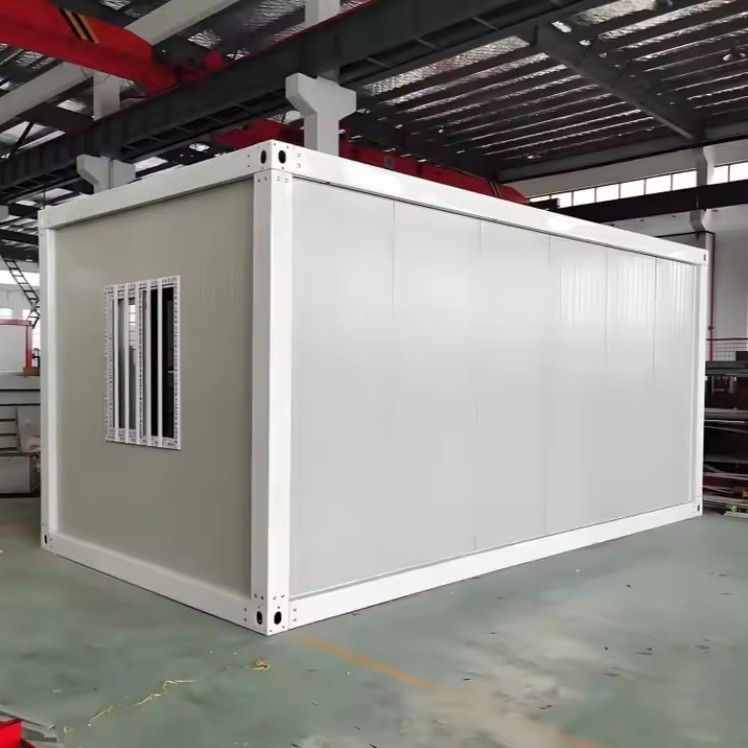
Our Flat Pack Container House is designed with sound insulation in mind. The walls and floors are insulated with fiberglass batts, and the double glazed windows help to reduce the transmission of airborne sound. The container structure itself also provides a certain level of sound insulation.
Our Adu Modular Homes are another example of our commitment to sound insulation. These homes are built with a combination of insulation materials, including MLV and soundproof drywall, to provide excellent sound insulation. The modular design allows for precise construction and the use of high-quality materials.
Our Modular Workshop Buildings are also designed to minimize noise. The walls and ceilings are insulated to reduce the transmission of airborne sound, and the floors are designed to absorb impact sound. This makes our workshop buildings suitable for a variety of uses, including woodworking, metalworking, and other noisy activities.
Conclusion
Sound insulation is an important consideration in prefab house projects. By using high-quality materials and advanced construction techniques, prefab houses can provide excellent sound insulation properties, creating a comfortable and peaceful living environment. At our company, we are committed to providing our customers with prefab houses that meet their needs, including sound insulation.
If you're interested in learning more about our prefab house projects and their sound insulation properties, or if you're ready to start a project of your own, we'd love to hear from you. Contact us today to discuss your requirements and get a quote. We look forward to working with you to create your dream home.
References
- "Sound Insulation in Buildings." Building Research Establishment.
- "Guide to Soundproofing Your Home." HomeAdvisor.
- "The Science of Sound Insulation." Acoustical Society of America.