

Hey there! As a supplier of PVDF membrane modules, I've seen firsthand the headache that fouling can cause. It's like a pesky little bug that creeps into your system and messes everything up. But don't worry, I'm here to share some tips on how to prevent fouling in PVDF membrane modules.
Understanding Fouling
First things first, let's talk about what fouling actually is. Fouling is the accumulation of unwanted materials on the surface or inside the pores of a membrane. This can include things like suspended solids, organic matter, bacteria, and even inorganic salts. When fouling occurs, it can reduce the membrane's permeability, increase the pressure drop across the membrane, and ultimately lead to a decrease in the overall performance of the membrane module.
There are two main types of fouling: physical fouling and chemical fouling. Physical fouling is caused by the deposition of particles on the membrane surface, while chemical fouling is caused by the reaction of chemicals with the membrane material. Both types of fouling can be a problem, but they require different approaches to prevent and control.
Pre - Treatment of Feed Water
One of the most effective ways to prevent fouling in PVDF membrane modules is to pre - treat the feed water. By removing as many potential foulants as possible before the water reaches the membrane, you can significantly reduce the risk of fouling.
- Filtration: Installing a pre - filter is a great start. A simple mechanical filter can remove large suspended solids from the feed water. For example, a sand filter can trap particles larger than a certain size, preventing them from reaching the membrane. You can also use a cartridge filter for finer filtration. These filters are available in different pore sizes, and you can choose the one that suits your needs.
- Coagulation and Flocculation: Adding coagulants and flocculants to the feed water can help to agglomerate small particles into larger ones, making them easier to remove by filtration. Coagulants like aluminum sulfate or ferric chloride can neutralize the charge on the particles, causing them to stick together. Flocculants then help to form larger flocs that can be settled or filtered out.
- Disinfection: Bacteria and other microorganisms can be a major cause of fouling. Disinfecting the feed water can kill these organisms and prevent them from growing on the membrane surface. Chlorine is a commonly used disinfectant, but it can also react with the PVDF membrane in some cases. So, alternative disinfectants like ultraviolet (UV) light or ozone can be considered.
Optimizing Operating Conditions
The way you operate the PVDF membrane module also plays a crucial role in preventing fouling.
- Flow Rate: Maintaining an appropriate flow rate is important. A too - low flow rate can lead to the deposition of particles on the membrane surface, while a too - high flow rate can cause excessive shear stress on the membrane, potentially damaging it. You need to find the sweet spot for your specific application.
- Pressure: Controlling the operating pressure is another key factor. High pressure can force more foulants into the membrane pores, increasing the risk of fouling. On the other hand, if the pressure is too low, the membrane may not operate efficiently. Regularly monitoring and adjusting the pressure can help to prevent fouling.
- Backwashing and Chemical Cleaning: Regular backwashing can help to remove loosely attached foulants from the membrane surface. This involves reversing the flow of water through the membrane to dislodge the particles. In addition to backwashing, periodic chemical cleaning may be necessary to remove more stubborn foulants. However, you need to be careful when choosing the cleaning chemicals, as some may damage the PVDF membrane.
Using Anti - Fouling Additives
There are some anti - fouling additives that can be added to the feed water or the cleaning solution to prevent fouling.
- Surfactants: Surfactants can reduce the surface tension of the water and prevent particles from sticking to the membrane surface. They can also help to disperse organic matter and prevent it from forming a layer on the membrane.
- Biocides: Biocides can be used to control the growth of bacteria and other microorganisms on the membrane. However, as mentioned earlier, you need to choose biocides that are compatible with the PVDF membrane.
Monitoring and Maintenance
Regular monitoring of the membrane module is essential to detect fouling early and take appropriate action.

- Pressure Drop: Monitoring the pressure drop across the membrane can give you an indication of the degree of fouling. An increase in the pressure drop over time may suggest that fouling is occurring.
- Permeate Flow Rate: A decrease in the permeate flow rate can also be a sign of fouling. By regularly measuring the flow rate, you can identify potential problems and take corrective action.
- Visual Inspection: Periodically inspecting the membrane module for any visible signs of fouling, such as discoloration or the presence of deposits, can help you to catch fouling early.
Related Products and Their Benefits
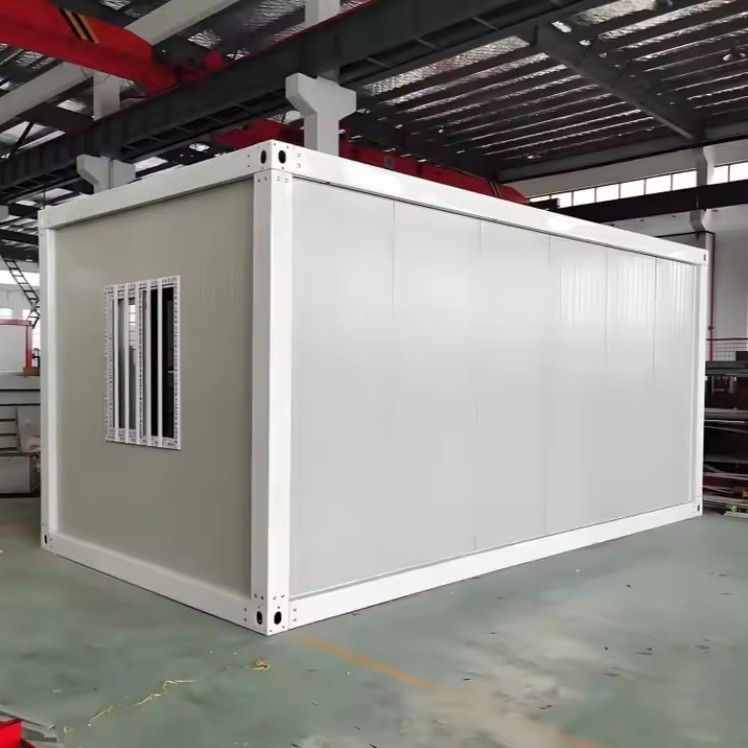
Now, I'd like to mention some related products that might interest you. If you're involved in water treatment projects, you may also be interested in pre - fabricated construction solutions like Prefab Villa House and Flat Pack Container House. These are great options for on - site accommodation or storage facilities during membrane module installation and maintenance projects. And if you're looking for some comfort during breaks, the Graphene Memory Pillow can provide excellent support for your head and neck.
Let's Connect
Preventing fouling in PVDF membrane modules is crucial for the long - term performance and efficiency of your water treatment system. If you're interested in our PVDF membrane modules or need more advice on fouling prevention, don't hesitate to reach out. We're here to help you find the best solutions for your specific needs.
References
- Cheryan, M. Ultrafiltration and Microfiltration Handbook. Technomic Publishing Co., 1998.
- Baker, R. W. Membrane Technology and Applications. Wiley, 2004.
- Fane, A. G., & Fell, C. J. D. (Eds.). Membrane Separation Technology: Principles and Applications. Elsevier, 1990.