

Hey there! As a supplier of modular container houses, I often get asked about the indoor air quality of these unique living spaces. It's a crucial topic, especially considering that we spend so much time indoors. So, let's dive right in and explore whether modular container houses have good indoor air quality.
Understanding the Basics of Modular Container Houses
First off, what exactly are modular container houses? Well, they're built using shipping containers as the basic structure. These containers are then modified and customized to create functional living spaces. They're popular for their affordability, portability, and eco - friendliness. But when it comes to air quality, there are a few factors we need to consider.
Factors Affecting Indoor Air Quality in Modular Container Houses
1. Insulation
One of the key aspects is insulation. Good insulation not only helps in maintaining a comfortable temperature but also plays a role in air quality. In modular container houses, proper insulation can prevent the entry of outdoor pollutants. For example, if the insulation is done well, it can block dust, pollen, and exhaust fumes from getting inside.
However, if the insulation materials are of low quality, they can release harmful chemicals into the air. Some cheap insulation products may contain formaldehyde, which is a known carcinogen. As a supplier, we make sure to use high - quality, eco - friendly insulation materials in our modular container houses. This way, we can provide a healthy living environment for our customers.
2. Ventilation
Ventilation is another crucial factor. In any living space, proper ventilation is essential to remove stale air and bring in fresh air. In modular container houses, we design ventilation systems that are efficient. We install windows, vents, and exhaust fans to ensure a constant flow of air.
For instance, our Outdoor Public Portable Toilet models have well - designed ventilation systems. This helps in keeping the air inside fresh, even in a small space. Without proper ventilation, the air can become stuffy, and humidity levels can rise, leading to the growth of mold and mildew. Mold is a major health hazard as it can cause respiratory problems and allergies.
3. Building Materials
The materials used in the construction of modular container houses can also impact air quality. We use non - toxic and low - VOC (volatile organic compounds) materials. VOCs are chemicals that can be released from paints, adhesives, and furniture. High levels of VOCs can cause headaches, dizziness, and even long - term health problems.
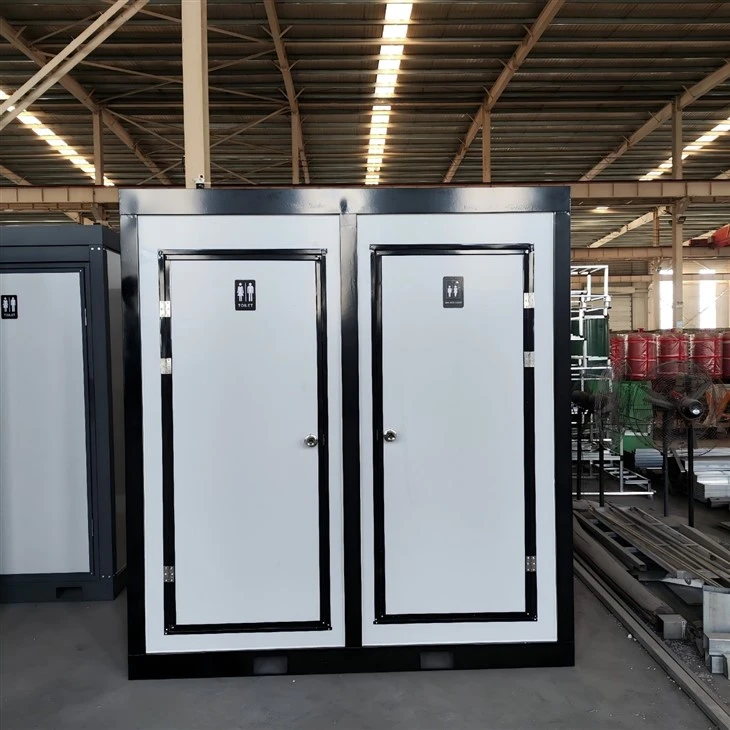

For example, in our Apple Cabin Prefab, we use natural and sustainable materials. This reduces the amount of harmful chemicals in the air and creates a healthier living environment. We also pay attention to the finishing touches, like the type of flooring and wall coverings, to ensure they are safe for indoor use.
Testing and Monitoring Indoor Air Quality
To ensure that our modular container houses have good indoor air quality, we conduct regular testing. We use advanced air quality monitors to measure the levels of pollutants such as particulate matter, VOCs, and carbon dioxide. This helps us to identify any potential issues and take corrective actions.
We also encourage our customers to do their own monitoring. There are many affordable air quality monitors available in the market. By keeping an eye on the air quality, customers can take steps to improve it, such as opening windows more often or using air purifiers.
Comparing with Traditional Houses
When compared to traditional houses, modular container houses can actually have better air quality in some cases. Traditional houses may have more complex construction processes, which can lead to the use of more chemicals and materials that release VOCs.
In contrast, modular container houses are often built in a factory environment, where quality control is more strict. This means that the materials used are carefully selected, and the construction process is more regulated. As a result, the indoor air quality can be more consistent and healthier.
The Benefits of Good Indoor Air Quality in Modular Container Houses
Having good indoor air quality in modular container houses offers several benefits. Firstly, it improves the overall health and well - being of the occupants. People who live in a space with clean air are less likely to suffer from respiratory problems, allergies, and other health issues.
Secondly, it enhances the comfort of living. Fresh air makes the space feel more inviting and pleasant. You won't have that stuffy, stale smell that can sometimes be present in poorly ventilated rooms.
Finally, it can increase the value of the modular container house. A house with good air quality is more attractive to potential buyers or renters. It shows that the house is well - maintained and provides a healthy living environment.
Our Commitment as a Supplier
As a modular container house supplier, we are committed to providing the best possible indoor air quality for our customers. We invest in research and development to find new and better ways to improve air quality in our houses. We also work closely with our customers to understand their needs and concerns.
We offer a range of options for our modular container houses, including different ventilation systems and insulation materials. This allows our customers to choose the features that are most important to them. For example, if someone is particularly sensitive to allergens, we can recommend a house with a high - efficiency air filtration system.
Conclusion
So, do modular container houses have good indoor air quality? The answer is yes, especially when they are built and maintained properly. By using high - quality insulation, efficient ventilation systems, and non - toxic building materials, we can ensure that our modular container houses provide a healthy and comfortable living environment.
If you're interested in learning more about our modular container houses or have any questions about indoor air quality, we'd love to hear from you. Whether you're looking for a Big Space Capsule House or a custom - designed modular home, we can help you find the perfect solution. Contact us to start the conversation about your next modular container house purchase!
References
- American Society of Heating, Refrigerating and Air - Conditioning Engineers (ASHRAE). Indoor Air Quality Guidelines.
- Environmental Protection Agency (EPA). Indoor Air Quality: A Guide for Homeowners.
- World Health Organization (WHO). Guidelines for Indoor Air Quality.