

As a supplier of Big Space Capsule Houses, I've witnessed a growing interest in these unique living spaces. One of the most frequently asked questions is about their insulation performance. In this blog, I'll delve into the factors that determine the insulation of a Big Space Capsule House, its significance, and how it compares to other housing options.
Understanding Insulation in Big Space Capsule Houses
Insulation is a crucial aspect of any building, and Big Space Capsule Houses are no exception. It refers to the material's ability to resist the transfer of heat, keeping the interior of the house warm in winter and cool in summer. In a capsule house, effective insulation can significantly reduce energy consumption by minimizing the need for heating and cooling systems.

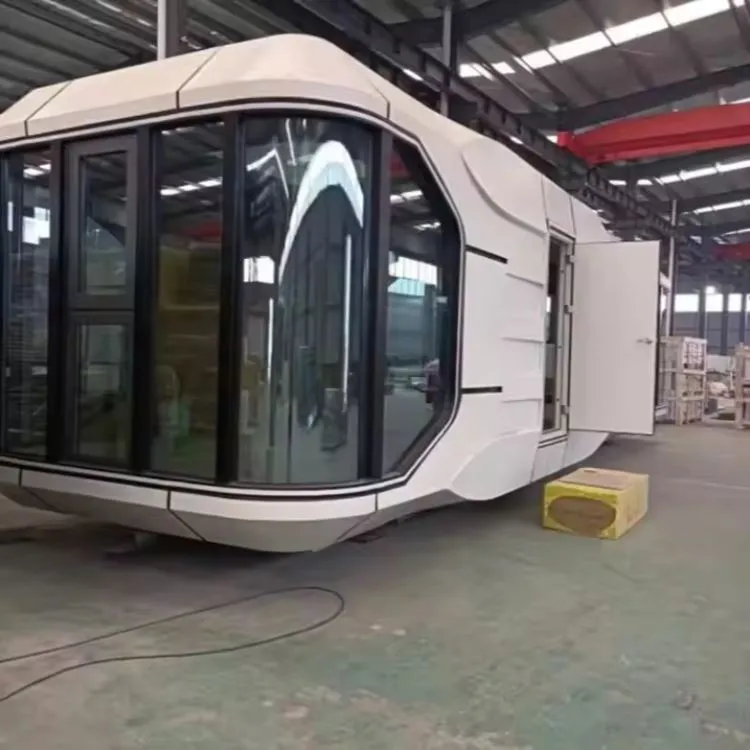
The insulation performance of a Big Space Capsule House is determined by several factors, including the type of insulation material used, the thickness of the insulation, and the overall design of the house.
Types of Insulation Materials
There are several types of insulation materials commonly used in Big Space Capsule Houses. One of the most popular choices is polyurethane foam. Polyurethane foam is a high - performance insulation material that offers excellent thermal resistance. It can be sprayed onto the interior or exterior walls of the capsule house, filling all the gaps and creating a seamless insulation layer. This helps to prevent air leakage, which is a major cause of heat loss.
Another option is fiberglass insulation. Fiberglass consists of fine glass fibers that trap air, reducing heat transfer. It is relatively inexpensive and easy to install. However, it may not be as effective as polyurethane foam in preventing air leakage, especially if not installed properly.
Some capsule houses also use cellulose insulation, which is made from recycled paper products. Cellulose is an eco - friendly option that provides good thermal performance. It can be blown into wall cavities, providing a snug fit and effective insulation.
Thickness of Insulation
The thickness of the insulation also plays a vital role in its performance. Generally, the thicker the insulation, the better the thermal resistance. In Big Space Capsule Houses, the insulation thickness can vary depending on the climate in which the house will be located. In colder regions, a thicker layer of insulation may be required to ensure adequate warmth. For example, in areas with harsh winters, an insulation thickness of 6 - 8 inches may be recommended, while in milder climates, 3 - 4 inches may be sufficient.
Design of the Capsule House
The overall design of the Big Space Capsule House can impact its insulation performance. A well - designed capsule house will have a tight building envelope, minimizing air infiltration. This includes proper sealing around windows, doors, and other penetrations in the walls. Additionally, the shape of the capsule house can also affect heat transfer. A spherical or rounded shape may reduce the surface area exposed to the outside environment, reducing heat loss compared to a more angular design.
Significance of Good Insulation in Big Space Capsule Houses
Good insulation in a Big Space Capsule House offers several benefits. Firstly, it enhances energy efficiency. By reducing the amount of heat that escapes in winter and enters in summer, the house requires less energy to maintain a comfortable temperature. This translates into lower energy bills for the occupants, making the capsule house a more cost - effective living option in the long run.
Secondly, good insulation improves the comfort level inside the house. It helps to eliminate cold spots and drafts, creating a more consistent and pleasant indoor environment. Whether it's a hot summer day or a cold winter night, the occupants can enjoy a comfortable living space without having to rely too heavily on heating or cooling systems.
Moreover, effective insulation can also contribute to the durability of the capsule house. By reducing the temperature fluctuations inside the house, it helps to prevent moisture buildup, which can lead to mold growth and damage to the building materials. This extends the lifespan of the house and reduces the need for costly repairs.
Comparison with Other Housing Options
When comparing the insulation performance of Big Space Capsule Houses with other housing options, such as 40 ft Shipping Container House and Prefab Holiday Homes, there are some notable differences.
Shipping container houses are often made from steel, which is a good conductor of heat. Without proper insulation, they can be prone to significant heat transfer, making them hot in summer and cold in winter. However, with the addition of high - quality insulation materials, their thermal performance can be greatly improved. Big Space Capsule Houses, on the other hand, are designed with insulation in mind from the start, and their unique shape can also contribute to better insulation.
Prefab holiday homes come in a variety of designs and insulation levels. Some may have basic insulation, while others may be more energy - efficient. Big Space Capsule Houses can offer a comparable or even better insulation performance, especially when using advanced insulation materials and a well - thought - out design.
Real - World Examples
To illustrate the insulation performance of Big Space Capsule Houses, let's look at some real - world examples. In a recent project in a cold climate region, a Big Space Capsule House was equipped with 6 inches of polyurethane foam insulation. During the winter months, the occupants reported that the house remained warm and comfortable, even when the outside temperature dropped below freezing. The energy consumption for heating was significantly lower compared to a traditional house in the same area.
In another case, a capsule house in a hot and humid climate used a combination of fiberglass insulation and reflective coatings on the exterior. This helped to keep the interior cool, reducing the need for air conditioning. The occupants were able to enjoy a comfortable living environment without excessive energy costs.
Conclusion
In conclusion, the insulation performance of a Big Space Capsule House is determined by the type of insulation material, its thickness, and the overall design of the house. Good insulation offers numerous benefits, including energy efficiency, comfort, and durability. When compared to other housing options, Big Space Capsule Houses can provide excellent insulation, especially when designed and insulated properly.
If you're interested in learning more about our Capsule House or would like to discuss a potential purchase, we're here to help. Our team of experts can provide you with detailed information about the insulation options, energy efficiency, and overall performance of our Big Space Capsule Houses. Contact us to start the conversation and explore how a capsule house can meet your living needs.
References
- ASHRAE Handbook of Fundamentals. American Society of Heating, Refrigerating and Air - Conditioning Engineers.
- Building Science Corporation. "Insulation Basics."
- International Energy Conservation Code (IECC).