

As a supplier of UF ultrafiltration membranes, I've received numerous inquiries regarding the application of our products in electroplating wastewater treatment. In this blog post, I'll delve into the technical feasibility, benefits, and potential challenges of using UF ultrafiltration membranes for treating electroplating wastewater.

Understanding Electroplating Wastewater
Electroplating is a widely used industrial process that involves depositing a thin layer of metal onto a substrate. This process generates a significant amount of wastewater, which typically contains heavy metals such as chromium, nickel, copper, and zinc, as well as organic compounds, acids, and alkalis. These contaminants pose a serious threat to the environment and human health if not properly treated.
How UF Ultrafiltration Membranes Work
Ultrafiltration (UF) is a pressure-driven membrane separation process that uses a semi-permeable membrane to separate suspended solids, colloids, macromolecules, and microorganisms from a liquid stream. The UF membrane has a pore size typically ranging from 0.001 to 0.1 micrometers, which allows water and small molecules to pass through while retaining larger particles and contaminants.
In the context of electroplating wastewater treatment, UF membranes can effectively remove suspended solids, colloidal particles, and some organic matter from the wastewater. This pre-treatment step is crucial for protecting downstream treatment processes, such as reverse osmosis (RO) or ion exchange, from fouling and scaling.
Advantages of Using UF Ultrafiltration Membranes for Electroplating Wastewater Treatment
- High Efficiency in Particle Removal: UF membranes can achieve high rejection rates for suspended solids and colloids, typically greater than 99%. This helps to reduce the turbidity and particulate matter in the wastewater, improving the quality of the treated water.
- Compact Design and Low Footprint: UF membrane systems are relatively compact compared to traditional treatment methods, such as sedimentation and filtration. This makes them suitable for installations where space is limited, such as in industrial plants.
- Continuous Operation and Automation: UF membrane systems can operate continuously, providing a stable and reliable supply of treated water. They can also be easily automated, reducing the need for manual intervention and labor costs.
- Chemical-Free or Low-Chemical Treatment: In many cases, UF membrane systems can operate with minimal or no chemical additives, reducing the environmental impact and operating costs associated with chemical treatment.
- Compatibility with Other Treatment Processes: UF membranes can be easily integrated with other treatment processes, such as RO, ion exchange, and biological treatment, to achieve a more comprehensive and effective treatment of electroplating wastewater.
Our UF Ultrafiltration Membrane Products
We offer a wide range of UF ultrafiltration membrane products to meet the diverse needs of our customers. Our Ultrafiltration Membrane Modules are designed with high-quality hollow fiber membranes, which provide a large surface area for filtration and excellent mechanical strength. These modules are available in different configurations and sizes, allowing for flexible system design and customization.
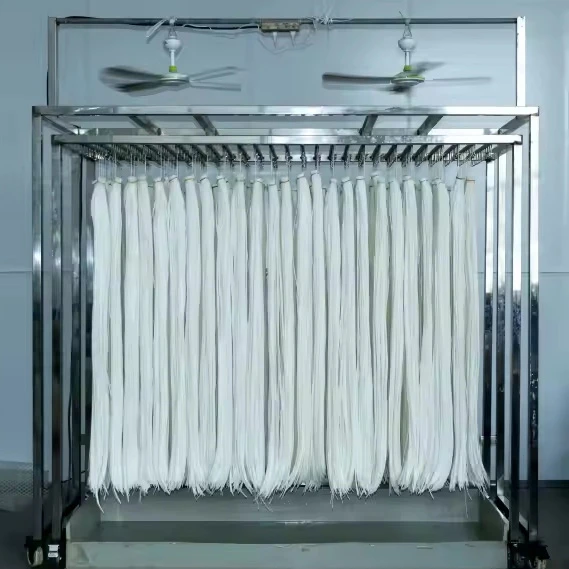
In addition, we also offer 18M2 1.0mm MBR Bioreactor Sewage Treatment Spiral Wound Module Membrane, which combines the advantages of ultrafiltration and biological treatment. This product is particularly suitable for treating electroplating wastewater with high organic content, as it can effectively remove both organic matter and suspended solids.
Challenges and Considerations
While UF ultrafiltration membranes offer many advantages for electroplating wastewater treatment, there are also some challenges and considerations that need to be addressed. 1. Membrane Fouling: Fouling is one of the major challenges in UF membrane applications. The presence of heavy metals, organic compounds, and suspended solids in electroplating wastewater can cause the membrane to foul, reducing its permeability and filtration efficiency. To mitigate fouling, proper pre-treatment of the wastewater is essential, and regular membrane cleaning and maintenance procedures should be implemented. 2. Heavy Metal Removal: Although UF membranes can remove suspended solids and colloids, they are not effective in removing dissolved heavy metals. Therefore, additional treatment processes, such as RO or ion exchange, are usually required to achieve the desired level of heavy metal removal. 3. Operating Conditions: The performance of UF membranes is highly dependent on the operating conditions, such as pressure, temperature, flow rate, and pH. It is important to optimize these operating conditions to ensure the efficient and stable operation of the membrane system.
Case Studies
To illustrate the effectiveness of our UF ultrafiltration membranes in electroplating wastewater treatment, let's take a look at a few case studies.
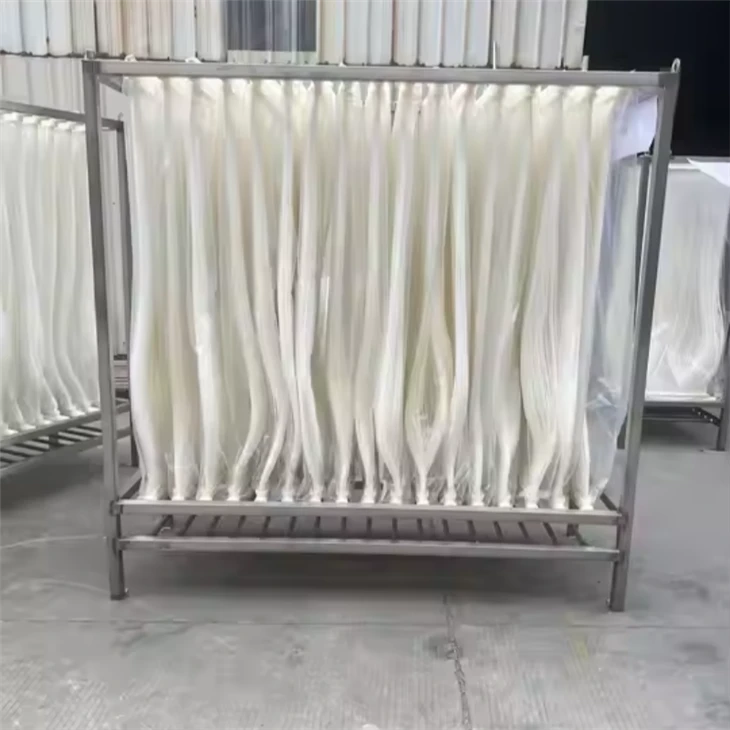
In a recent project, a large electroplating factory was facing challenges in treating its wastewater to meet the strict environmental regulations. The factory installed our UF membrane system as a pre-treatment step before the RO system. The UF membrane system effectively removed the suspended solids and colloids from the wastewater, reducing the fouling of the RO membranes and improving the overall treatment efficiency. As a result, the factory was able to achieve a high-quality treated water that met the discharge standards, while also reducing the operating costs associated with membrane replacement and chemical treatment.
Integration with Other Treatment Processes
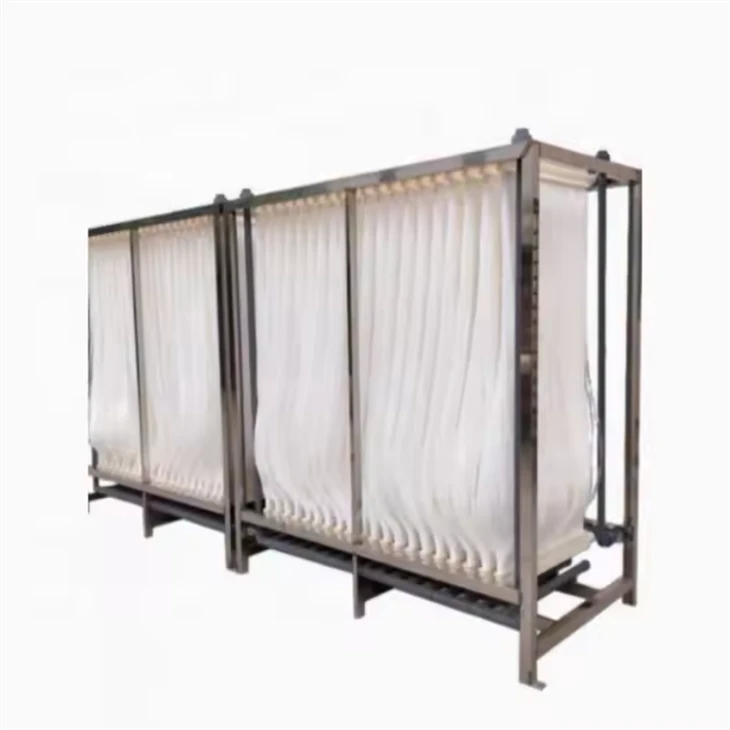
As mentioned earlier, UF ultrafiltration membranes can be integrated with other treatment processes to achieve a more comprehensive treatment of electroplating wastewater. For example, our Industrial Reverse Osmosis Water Treatment Ultra-Pure Water Equipment Softening Treatment System Mbr Ultrafiltration Equipment combines UF, RO, and ion exchange technologies to provide a complete solution for electroplating wastewater treatment. This integrated system can effectively remove heavy metals, organic compounds, and other contaminants from the wastewater, producing high-quality treated water that can be reused in the electroplating process or discharged safely into the environment.
Conclusion
In conclusion, UF ultrafiltration membranes can be an effective and reliable solution for electroplating wastewater treatment. They offer many advantages, such as high efficiency in particle removal, compact design, continuous operation, and compatibility with other treatment processes. However, it is important to address the challenges of membrane fouling, heavy metal removal, and operating conditions to ensure the optimal performance of the membrane system.
If you are interested in learning more about our UF ultrafiltration membrane products and their application in electroplating wastewater treatment, or if you have any specific requirements or questions, please feel free to contact us. We are committed to providing high-quality products and professional services to help you achieve your wastewater treatment goals.
References
- Cheryan, M. (1998). Ultrafiltration and Microfiltration Handbook. Technomic Publishing.
- Mulder, M. (1996). Basic Principles of Membrane Technology. Kluwer Academic Publishers.
- American Water Works Association. (2005). M53: Reverse Osmosis and Nanofiltration. American Water Works Association.